Tinos is famous for its church, but the island is much more: marble villages, a thousand dovecotes, old mule paths and a food scene Greeks travel for. This is our list for days when you want more than a swim.
Visit Panagia Evangelistria
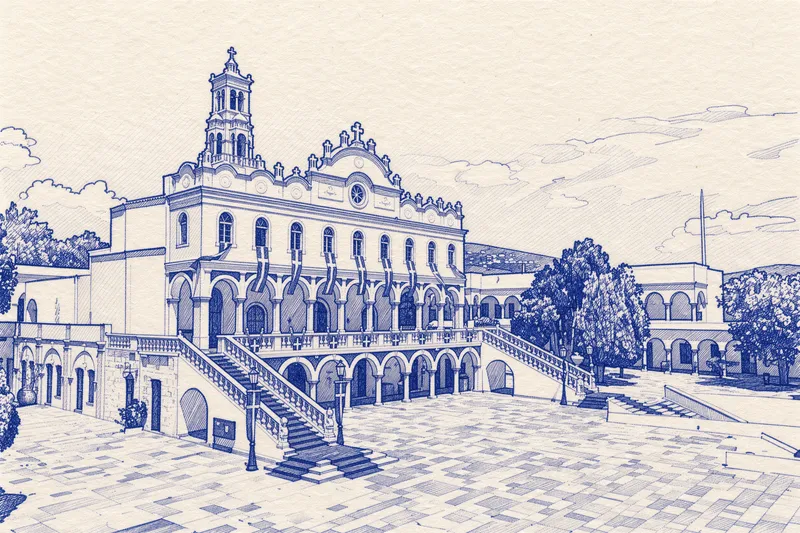
The church that made Tinos famous stands on the hill above the port. In 1823 a nun named Pelagia saw the Virgin Mary in her visions, and the islanders dug where she said. On 30 January of that year they found the icon of the Annunciation, and the church was built on the spot. Today it is the most important pilgrimage site in Greece. Walk up the main street from the port, dress modestly, and expect a queue to see the icon in summer.
Follow the marble
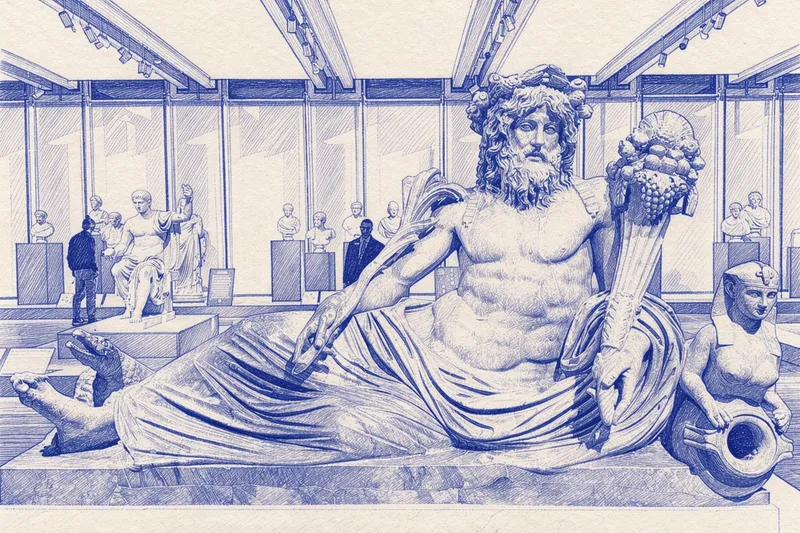
Tinos has been the heart of Greek marble carving for centuries. In Pyrgos, visit the Museum of Marble Crafts and the house of the sculptor Yannoulis Chalepas. In Isternia, look up at the carved lintels above the doors. Even the fountains and church towers in small villages are works of art. More in our villages guide.
Find the dovecotes
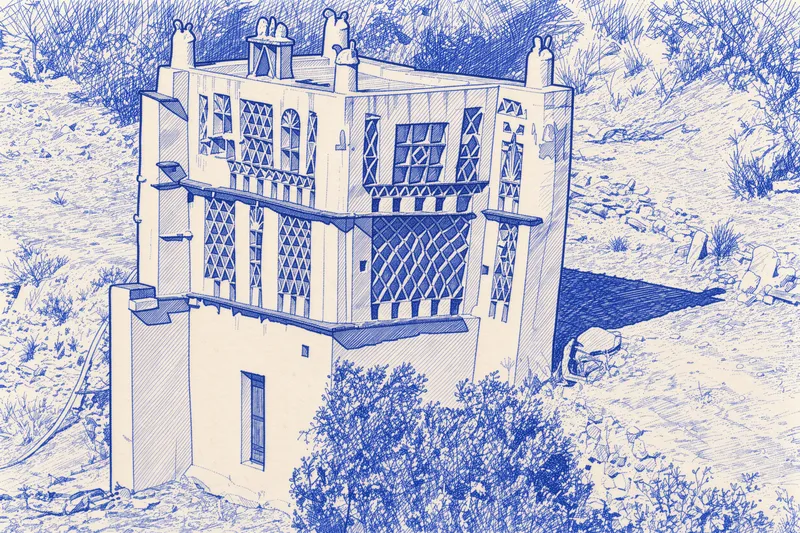
Around a thousand dovecotes, built mostly in the 18th and 19th centuries, stand across the island like small stone castles for birds. Their lace-like stone patterns are the symbol of Tinos. The valley of Tarampados has so many that it feels like an open-air museum.
Walk the old paths
Before there were roads, villages were linked by mule paths. Today around 150 km of them are restored and signposted. A favourite: from Tarampados through the dovecote valley to Kampos and the artichoke fields of Komi. Spring and autumn are the best seasons for walking.
Climb Exomvourgo
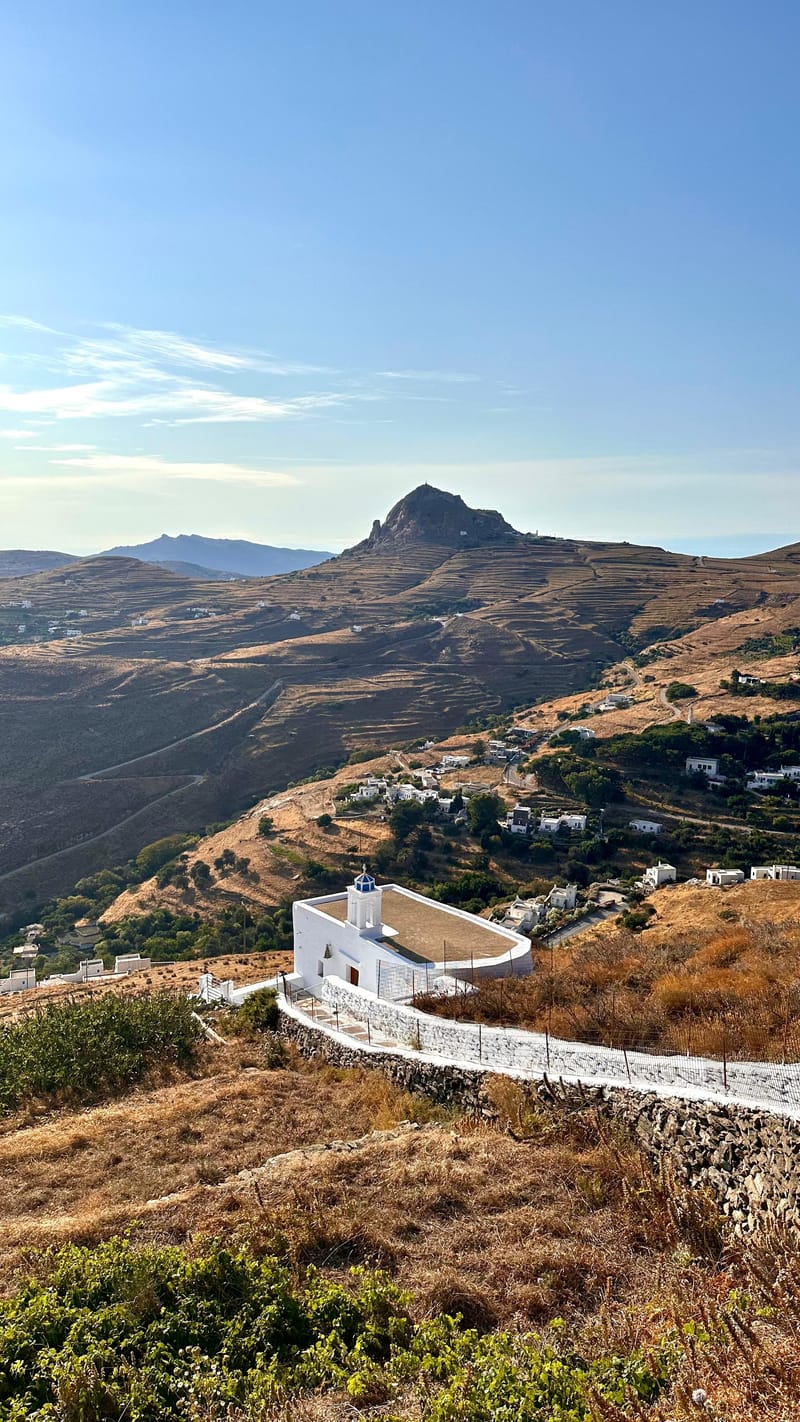
The rocky peak in the middle of the island, at about 560 m, was once crowned by a Venetian fortress that held out until the early 1700s. Little is left of the walls, but the view over the villages and the Aegean is huge. Take water and good shoes.
Visit Kechrovouni Monastery
One of the largest monasteries in Greece, almost a village in itself, with whitewashed lanes and courtyards. This is where Pelagia lived, and you can see her small cell.
See the boulders and baskets of Volax
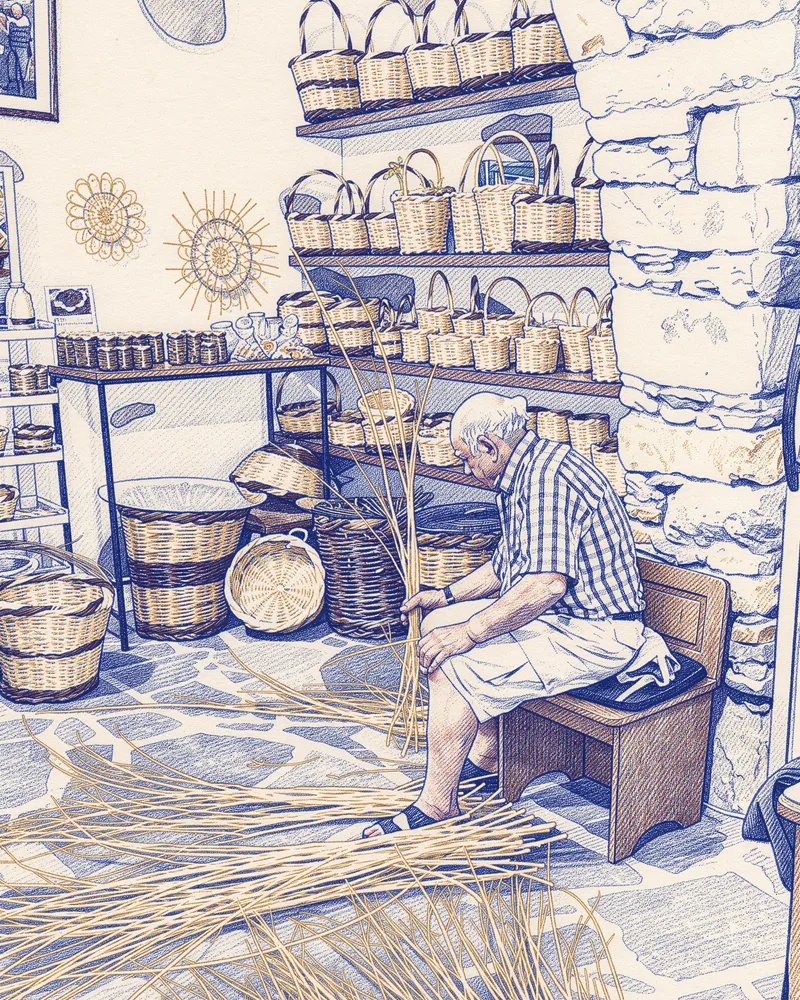
Giant round granite boulders surround the little village of Volax. Watch basket weavers at work and catch a summer concert in the stone open-air theatre.
More for curious minds
- Costas Tsoclis Museum in Kampos, modern art in an old village school (open in summer).
- Sanctuary of Poseidon and Amphitrite at Kionia, and the finds in the Archaeological Museum in town.
- Surf lessons at Kolymbithra, where the meltemi brings the waves. See our beach guide.
Plan around the festivals
- May: Tinos Food Paths, a celebration of the island’s producers and cooks.
- June: the artichoke festival in Komi.
- 15 August: the great feast of the Virgin Mary. Thousands of pilgrims arrive, so book ferries and rooms early, or choose another week.
Questions we often hear
How many days do I need in Tinos? At least four or five to enjoy beaches, villages and food without rushing.
Is Tinos only a religious destination? No. Many visitors come for the villages, the food, the walks and the quiet beaches.
What is the best time to visit? June and September for swimming with fewer crowds and calmer winds; spring and autumn for walking.
Stay with us
AESIS is a cottage for two in Krokos, in the middle of the island, with a minimum stay of three nights: just enough to start discovering Tinos. Check your dates.